Storm Guard of Mandeville


Experience the difference in service with Storm Guard Roofing of Mandeville, your reliable companion in shielding your home from nature’s unpredictable threats. We take pride in being an authorized contractor under the jurisdiction of the Louisiana Department of Insurance, carrying the esteemed Fortified Roofer label. Our alliance with the Louisiana Fortify Homes Program (LFHP) not only reflects our professional dedication to high standards but also opens avenues for our clients to qualify for grants, leading the way to heightened protection and substantial reductions in insurance expenses.
The key to our stand-out performance is our unfaltering professionalism, a core value constantly emphasized in our client feedback. We believe in the importance of clear and timely communication; thus, our promise of "we answer our phones" is not just a statement but a commitment, making certain that every question and worry is met rapidly and competently.
In the face of harsh weather conditions, a Fortified Roof serves as a crucial barrier against the elements, effectively blocking wind and rain. This fundamental shield helps mitigate a potential chain reaction of damages that could otherwise inflict disastrous consequences on your house and precious belongings. Get in touch with us now for a Fortified Roofing Estimate!
FORTIFIED™ is a voluntary program designed to fortify homes and commercial buildings, enhancing their resilience against severe weather conditions like high winds, hail, hurricanes, and tornadoes. By strengthening structures, the program ensures their durability and ability to withstand the forces of nature. Join the program and protect your property from the unpredictable elements.
Gain complimentary access to the resilient construction standard, built upon decades of scientific research conducted by the Insurance Institute for Business & Home Safety.
Storm Guard of Mandeville is a part of the FORTIFIED™ network of skilled contractors. We specialize in implementing the necessary upgrades to protect your home from the specific severe weather conditions it encounters every year.
We ensure the materials and installation methods utilized in your home's upgraded construction adhere to the necessary standards for obtaining a FORTIFIED™ designation certificate. Third-party verification is a crucial step in this process.
Regardless of the roofing material — shingles, metal, or tile — complying with the Fortified Roof requirements will fortify the structural integrity of your home.
FORTIFIED™ utilizes a wider drip edge and a fully adhered starter strip. When used in tandem, they create a stronger and more durable system.
To prevent water damage, FORTIFIED™ requires roof decks to be properly sealed.
Rather than using standard nails, FORTIFIED™ uses ring-shank nails arranged in an enhanced pattern to securely fasten your home's roof deck.
In areas prone to hailstorms, the FORTIFIED™ standard uses shingles that have been tested by IBHS to demonstrate their ability to withstand hail up to 2 inches in diameter.
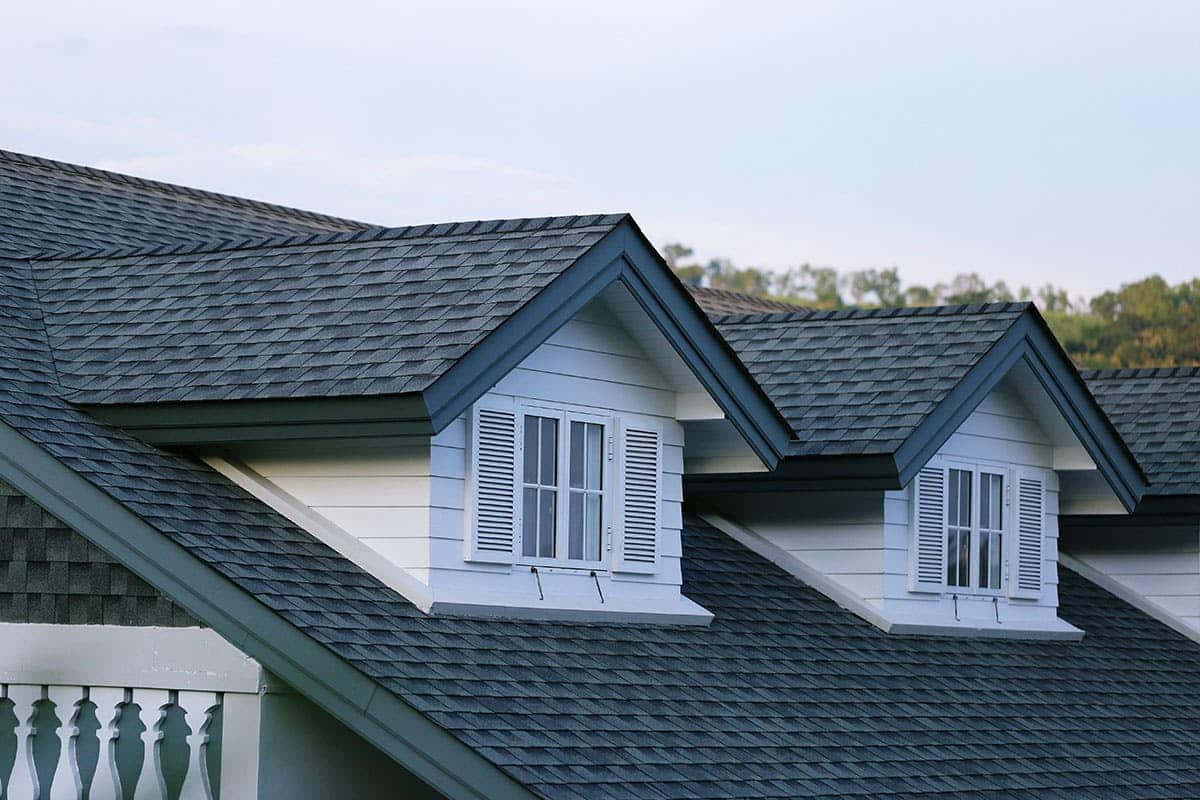
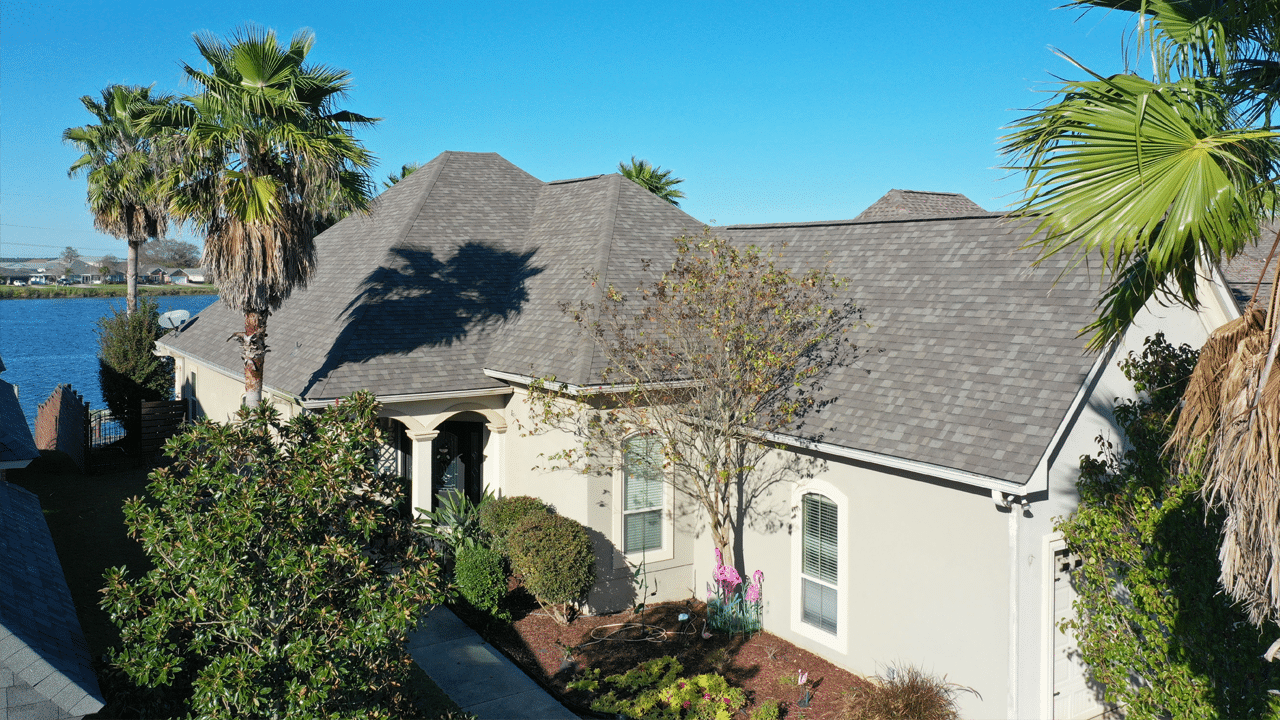
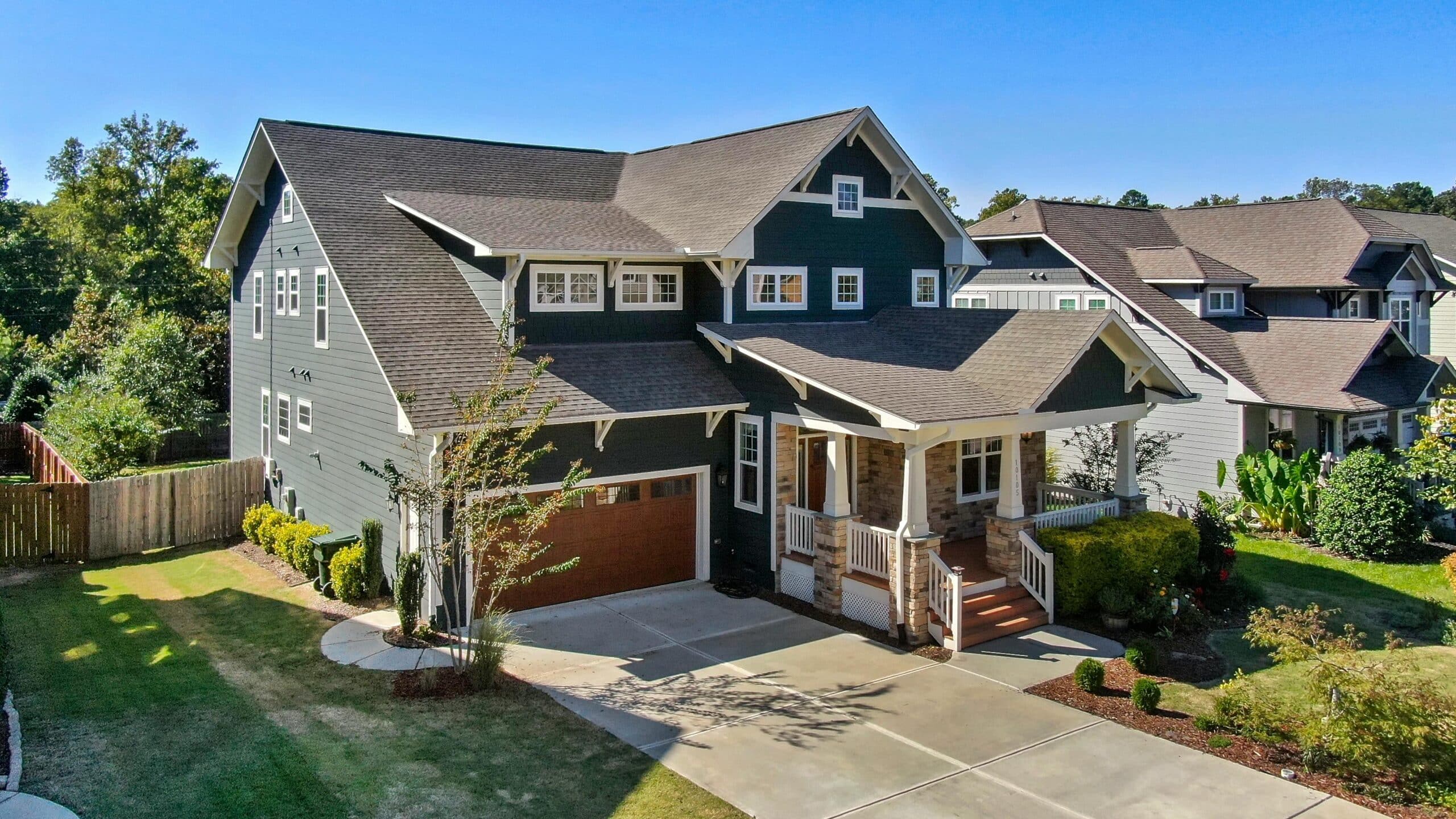
You don't need a hurricane or tornado to damage your roof. Even mild storm winds, clocking in at a mere 50 mph, possess enough force to inflict damage and allow water to infiltrate. FORTIFIED™ presents a solution that protects your home by pinpointing vulnerabilities in traditional construction methods.
By choosing FORTIFIED™, you're getting a comprehensive set of enhancements that work in harmony to protect your home against severe weather. Each FORTIFIED™ solution is meticulously tailored to deliver the precise level of protection required, perfectly aligned with the unique weather conditions your home faces.



How Long Will My Roof Last?
Most asphalt roofs last 20–30 years. However, this depends on several factors, such as durability, quality, and the type of roofing materials used.
Can I Extend The Lifespan Of My Roof?
Proper installation, ventilation, and regular maintenance prevent the premature aging of your roof.
Which Is Better, Tile or Shingle Roofs?
Tile roofs are best for longevity and energy efficiency, but asphalt shingles are more cost-effective for areas with milder weather.
What Should I Do If My Roof Is Leaking?
What Are the Signs My Roof Has Issues?
How Do I Get Homeowner's Insurance to Pay for a New Roof?
First, check your policy. If the reason you want a new roof is not covered, you may be on your own. If not, you can work with your insurance company to pay for some, if not all, of the new roof.
Be sure to document the damage in writing and pictures. Pictures help make your situation clear, especially photos with timestamps. The more evidence you have, the better. Also, check the age of your roof.
Insurance usually covers roofs under 10 years old, but coverage for older roofs may be limited. Your final step is to get a professional opinion and an estimate on the cost of repair or replacement.
Do You Offer Warranties on Windows and Installation?
Yes, we do. First, it's important to know that there are usually two types of warranties—one from the manufacturer for the windows themselves and one from us for the installation work.
Manufacturer warranties can cover things like:
While our workmanship warranty ensures the installation is done right.
Before we start, we'll review:
The best part? We keep your warranty information on file, so you don't have to dig through paperwork years later. That way, you can enjoy your new windows with total peace of mind.
How Do I Know It's Time to Replace My Windows?
If your windows feel drafty, are difficult to open or close, or show signs of condensation between panes, it may be time for a replacement.
You might also notice:
These can all signal that your windows aren't performing well. At Storm Guard, we offer professional inspections to help you determine whether repair or replacement is the best solution, so you can enjoy improved comfort, energy efficiency, and curb appeal.
How Long Does New Siding Last?
The lifespan of siding depends on the material and maintenance:
With Storm Guard, you get high-quality materials and professional installation to help your siding reach its maximum lifespan and keep your property looking its best for decades.
Can I Install New Siding Over Old Siding?
Yes, in some cases you can install new siding over old siding—but it's not always the best option. The existing siding must be in good condition and free from rot, mold, or structural issues. If there's hidden damage, covering it up can lead to bigger problems later.
Storm Guard will inspect your current siding, identify any repairs needed, and recommend whether an overlay or full replacement will give you the best long-term results. This way, you get a solution that's both safe and cost-effective.
How Often Should I Replace My Gutters?
It depends on the material, installation quality, and how well you maintain them:
With Storm Guard, you'll install gutters professionally with the right materials for your home or business. It will help you avoid costly water damage and protect your property year-round.
How Long Do Gutter Guards Last?
Quality gutter guards can protect your home for 10–20 years or even longer with the right installation and minimal maintenance. The lifespan depends on the materials used, local weather, and how well they're cared for.
At Storm Guard, we install gutter guards made from durable, weather-resistant materials designed to handle heavy rain, snow, and seasonal debris. It ensures they last for decades and keep your gutters performing their best with less cleaning and fewer repairs.
Can Emergency Tarping Be Used for Siding or Windows?
Yes! While most people think of tarping for roofs, emergency tarps can also protect damaged siding or broken windows. Any opening in your exterior can allow water, wind, or debris to enter, potentially causing further damage.
Storm Guard can quickly secure tarps over these areas to prevent additional problems. We make sure everything is tightly fastened and weather-resistant until permanent repairs can be completed, keeping your home safe and reducing the risk of more costly damage.
What Kind of Tarps Does Storm Guard Use?
Storm Guard uses heavy-duty, weather-resistant tarps to withstand rain, wind, and sun exposure. These tarps are durable, reinforced, and securely fastened to prevent shifting or blowing away during storms. They provide reliable short-term protection for roofs, siding, and windows until permanent repairs are made.
With professional installation, Storm Guard ensures your property stays safe, minimizing further water or storm damage while repairs are scheduled and completed.

Unless otherwise noted, each use of "Storm Guard," “us,” “we,” or “our” throughout Stormguardrc.com collectively refers to both the Storm Guard brand and the Storm Guard Franchise System, which is made up almost exclusively of independently owned and operated franchise locations.