Home / Services / Roofing / Roof Damage Assessment

Roof Damage Assessment

Storm Guard’s roof damage assessment involves a close evaluation by a professional, much like a standard roof inspection. What makes it different is that we provide detailed documentation that can support your insurance claim and help generate an accurate repair estimate. Learn more about how we can assist you through the process.

TYPES OF ROOF DAMAGE

Several types of roof damage may warrant a roof health assessment and lead to an insurance claim:

Wind Damage

High winds can lift or tear asphalt shingles and cause large branches to fall onto your roof. This can lead to serious leaks or even puncture the roof.

Hail Damage

While hailstorms are short, they can cause dents or knock shingles loose. This leaves your roof vulnerable to rain and sun damage.

Standing Water

Major rainstorms can leave your gutters clogged, causing a backup of water due to poor drainage. If the water stands for too long, it can soak through to the attic below.

Debris

Storms can toss branches and debris onto your roof, leading to broken shingles or damaged seals that may compromise its protection.

Ice Dam Removal

Ice dam removal can often cause damage to shingle roofs. This process requires care to avoid unintended harm.

Debris

Storms can toss branches and debris onto your roof, leading to broken shingles or damaged seals that may compromise its protection.

Ice Dam Removal

Ice dam removal can often cause damage to shingle roofs. This process requires care to avoid unintended harm.

WHAT IS A DAMAGE ASSESSMENT?

Damage assessments are often done after storms to support an insurance claim, which is why they are sometimes referred to as storm damage assessments. During this process, a roofing professional carefully inspects your property, takes digital photos, and helps prepare a repair estimate you can share with your insurance company. For a roof damage assessment, contact Storm Guard at a location near you!

ROOF HEALTH ASSESSMENT

Understanding your roof’s condition is the first step toward maintaining a leak-free home. When it’s safe to do so and from a secure spot, here are some simple steps you can try:


Look For Shingle Damage

Look For Shingle Damage
Check for shingle damage. This includes missing, cracked, or lifted shingles and tiles.

Look For Dents & Cracks

Look For Dents & Cracks
Inspect gutters, vents, and windows for dents or cracks. Also, check window seals and water stripping for any damage. Make sure gutters remain securely attached.

Look For Exterior Damage

Look For Exterior Damage
Inspect the home’s exterior for damage, including dents or tears in window screens.

Inspect The Attic

Inspect The Attic
A thorough roof health assessment includes inspecting the attic for signs of leaks and water stains to detect hidden damage early.

FILING AN INSURANCE CLAIM

In most cases, a homeowner's insurance will cover roof damage from events like an insured peril, such as a storm. Before filing your insurance claim, however, you will need a professional roofing specialist to assess the damage and provide a repair estimate.

Filing an insurance claim can be frustrating if you're not familiar with the process. This is why at Storm Guard, we will guide you every step of the way to help you avoid mistakes. We'll also generate a fair repair estimate to support your claim.
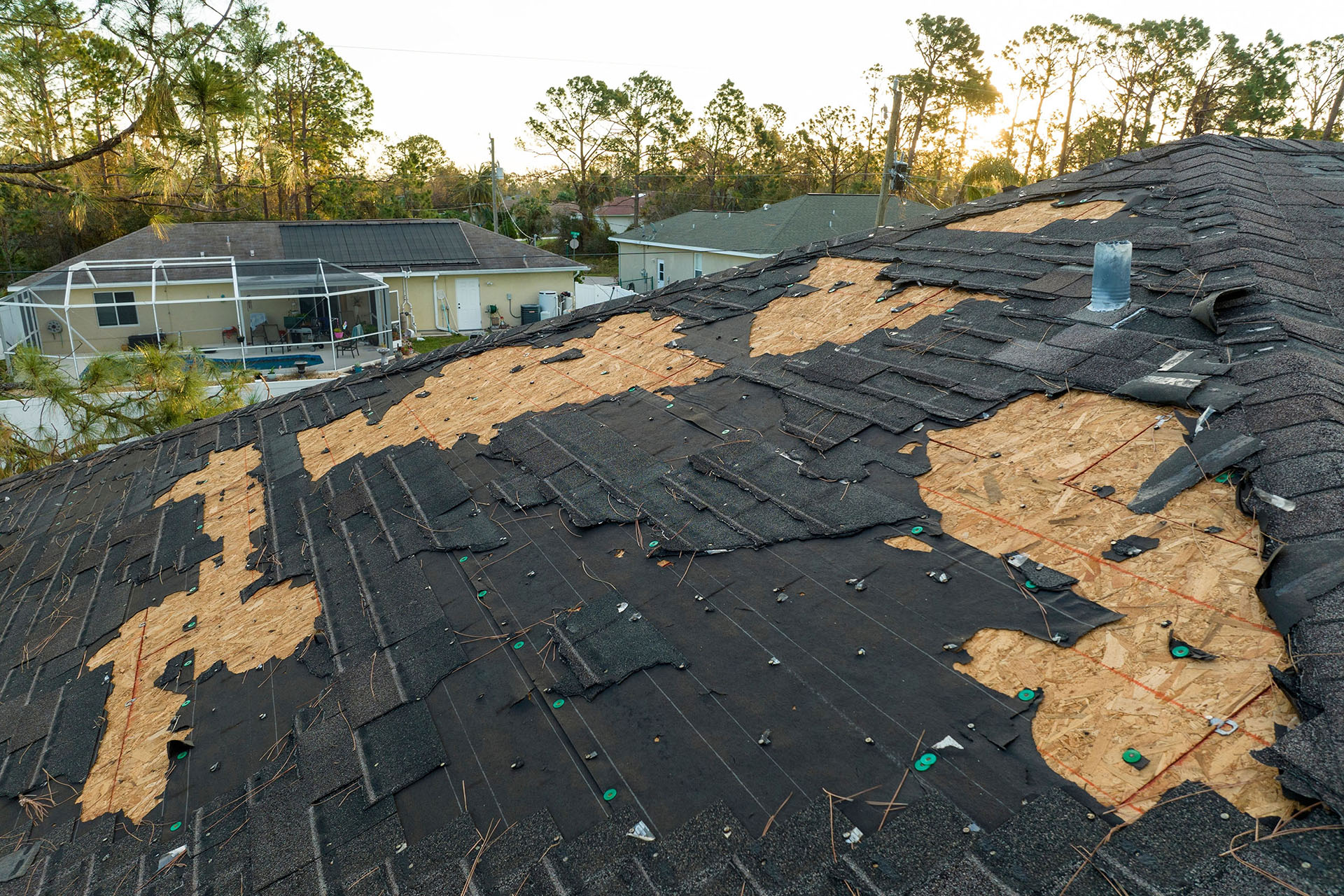
  • Before you file a claim, it’s wise to review your policy carefully. Some insurers separate wind and hail coverage, and damage from poor maintenance is often excluded. Cosmetic hail damage on metal roofs may not be covered. Regular upkeep helps ensure you receive the fullest reimbursement possible.
  • The next step is to assess the damage to your home. Knowing and documenting the scope of the damage is essential before starting your insurance claim. Your Storm Guard roofing specialist conducts a thorough assessment to help you prepare for repairs.
  • Finally, be sure to keep records of all your correspondence and the damage. Photos, notes, and timelines offer clarity when details start to blur. Claims can become complex, and having a clear trail helps you stay grounded. Don’t wait too long—roof issues tend to grow more costly if left unaddressed.
House roof damaged

CERTIFICATIONS & AFFILIATIONS

OUR REVIEWS

WHAT OUR CUSTOMERS SAY

FREQUENTLY ASKED QUESTIONS

You will know your roof is damaged if you spot missing or broken shingles, cracks in the flashing or skylights, or visible leaks. However, not all damage is easy to see—check your attic for water spots. If they’re present, your roof points to a problem worth addressing.

Storm damage often shows up after extreme weather. Look for broken or missing shingles, holes, cracks, or water leaks. Each one signals your roof may need attention.

Homeowner's insurance often covers roof damage from natural events or unpredictable causes—but not always. Some policies limit coverage to hail or wind damage. To strengthen your claim, be sure to document all storm-related damage clearly, proving it wasn't due to lack of maintenance.

If paying for repairs upfront isn’t possible, you still have options. Many homeowner’s insurance policies cover storm-related roof damage, and your Storm Guard service provider can support your claim preparation and help you explore financing plans for your deductible.

Surprisingly, your insurance payment may even decrease, thanks to the added reliability of your new, sturdy roof.

HASSLE-FREE RESTORATION

EXPERT GUIDANCE. LASTING REPAIRS.

From minor fixes to major renovations, we help you understand the best options for your home and deliver solutions built to last.
© 2025 Storm Guard Franchise Systems LLC. All Rights Reserved.

Unless otherwise noted, each use of "Storm Guard," “us,” “we,” or “our” throughout Stormguardrc.com collectively refers to both the Storm Guard brand and the Storm Guard Franchise System, which is made up almost exclusively of independently owned and operated franchise locations.