Home / Services / Roofing / Roof Styles & Materials

Roof Style & Materials

You might think roofs are simple, but there is actually a lot of thought that goes into the design. There are many different types of roofing materials, such as asphalt shingles and different types of tile, as well as a range of roofing products and roofing styles!

ROOF SHAPES & STYLES

From choosing the right materials to ensuring precise installation, every roofing project requires expertise and planning. At Storm Guard, we guide you through each step sharing our knowledge so you can make confident decisions - then deliver a roof built to last, backed by years of proven experience.
Gabled Roof

Gabled Roof
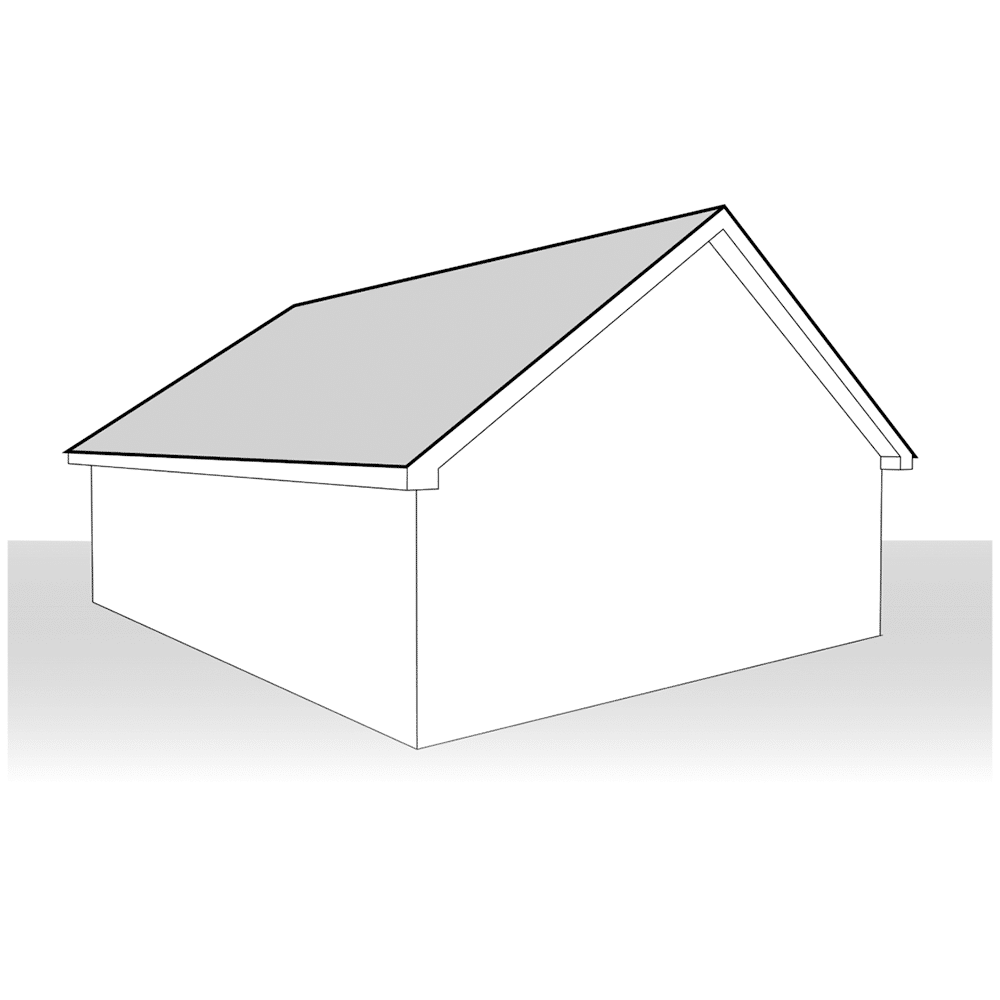
A gabled roof is what most people think of when they draw a house - a triangle where the two sides meet on the ridge of the home. Slopes can vary drastically in their slope and work well with many home designs. One of the main benefits of a gabled roof is that it easily sheds water and snow. It also allows your attic to be larger or let you have vaulted ceilings. A gabled roof allows more ventilation, too. Because it is a simple design, it is easier and cheaper to build and only requires basic maintenance. On the other hand, gabled roofs do not fare well in areas prone to high winds and hurricanes. High winds can easily rip roofing materials off of a gabled roof and, if there is too much of an overhang, can even detach it from the walls. Additionally, if it does not have properly constructed supports, a gabled roof can collapse.

Clipped Gabled Roof

Clipped Gabled Roof
The clipped gable roof, also called a jerkinhead, is a modified version of the traditional gabled roof where the peaks are “clipped” to form small hips at the ridge ends. This hybrid style combines the clean lines of a gable with the added stability of a hip roof. The clipped design helps reduce wind uplift, making it more durable in storm-prone regions. Homeowners appreciate its distinctive curb appeal, improved structural strength, and weather resistance. Like standard gables, it provides excellent drainage and attic space while offering a softer silhouette that complements various architectural styles.

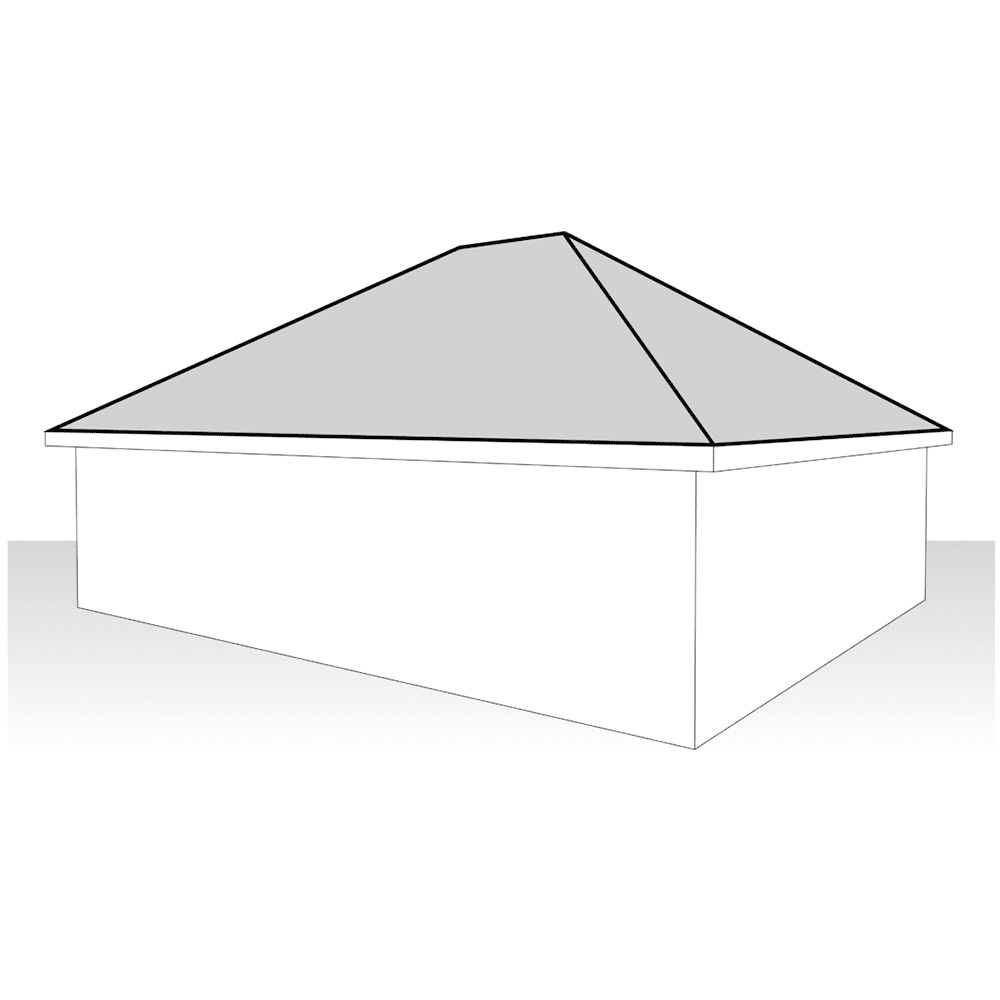
Hip Roof

Hip Roof
A hip roof is a style of roof where four equal-length slopes rise to meet a ridge in the middle. There are variations where you can have two shorter sides with eaves. This is one of the most visible roofs. A hip roof is more stable than a gabled roof since there is a slope on all four sides. If you live in a high wind or snowy area, a hip roof is perfect for you because it allows for snow to run off with no standing water. Hip roofs can also offer extra living space, like a crows nest. Hip roofs do come with a few disadvantages, however. They can be more expensive to build since they are more complex and require more materials. They also require more maintenance since there are more seams that can make it easier for water leaks to form.

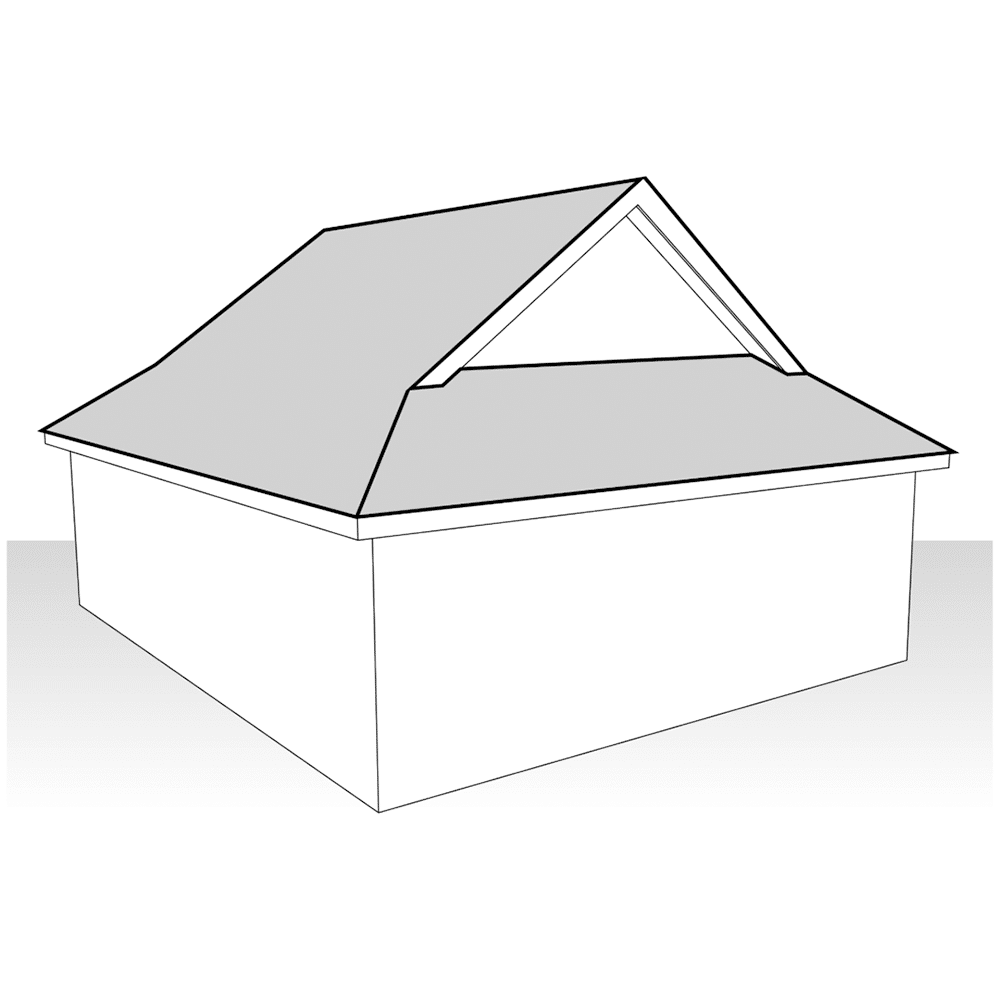
Dutch Gabled Roof

Dutch Gabled Roof
A dutch gabled roof is a combination of a hip roof and gabled roof. The bottom of the roof follows a hip roof design and then a mini gabled roof, called a gablet, is put on top. This creates a triangle of siding on the front and back of your roof, which can have windows for extra light or circulation or create extra attic space. The downside to a dutch gabled roof is that it requires more materials and maintenance to avoid leaks and is thus more expensive. Snow can also build up on the gablet if the pitch is low.

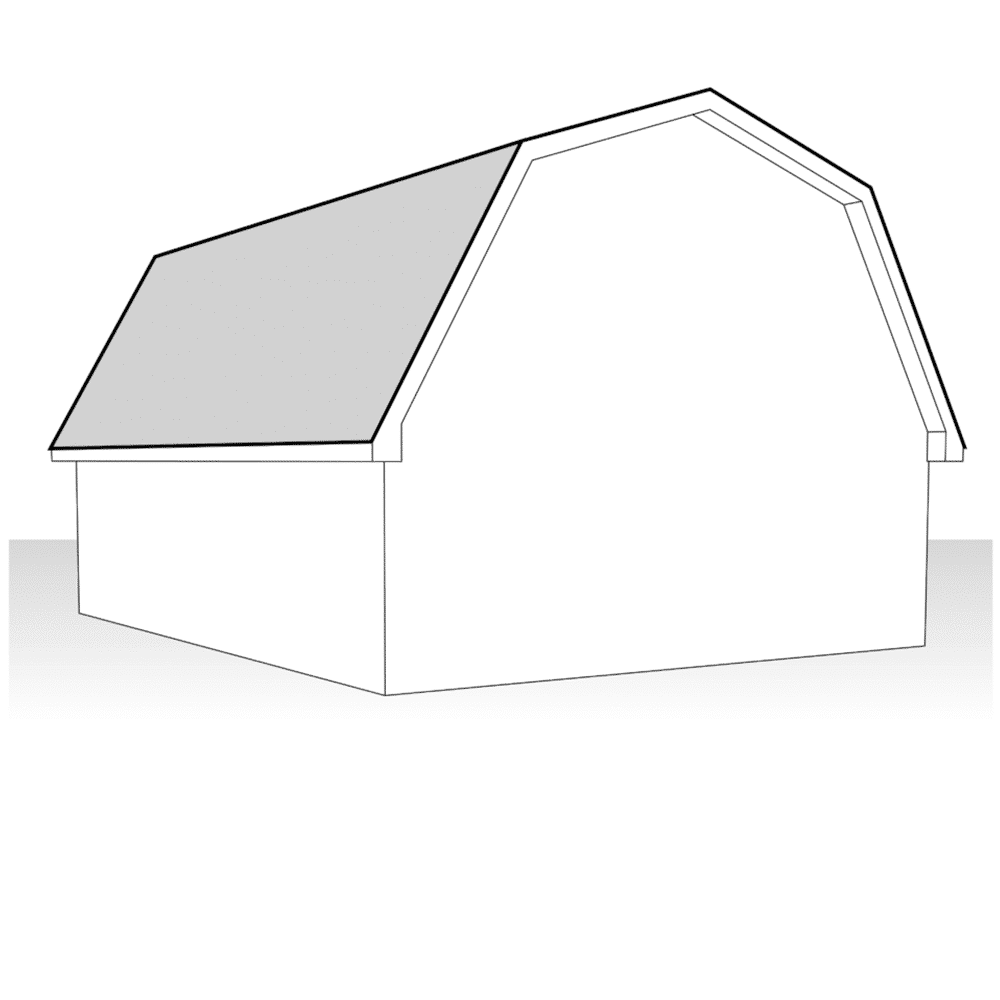
Gambrel Roof

Gambrel Roof
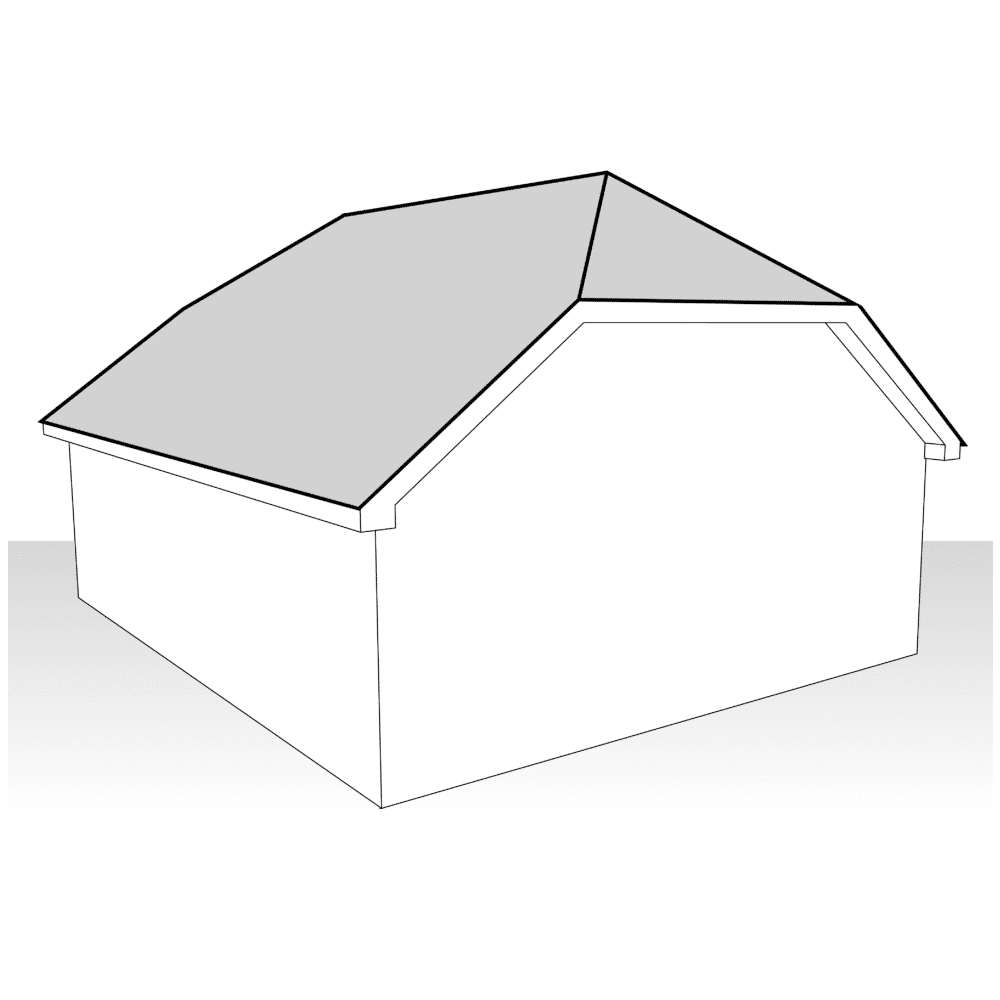
When you picture a classic barn, you’re picturing a gambrel roof. Its two sides have two slopes, one steep and one flatter. One of the main advantages of a gambrel roof is that it allows for an attic room or loft, which increases the usable square footage of your property and, by extension, its value. They are also easy to install and work with almost every type of roofing material. On the other hand, the open design of a gambrel roof can cause the roof to collapse under enough weight. For this reason, gambrels do not do well in areas with heavy snowfall or high winds. Because of the flatter slope and multiple seams, gambrel roofs need to be checked more frequently for standing water or leaks. Gambrel roofs are also highly visible, which can be either a pro or a con depending on the type of roofing material you use.

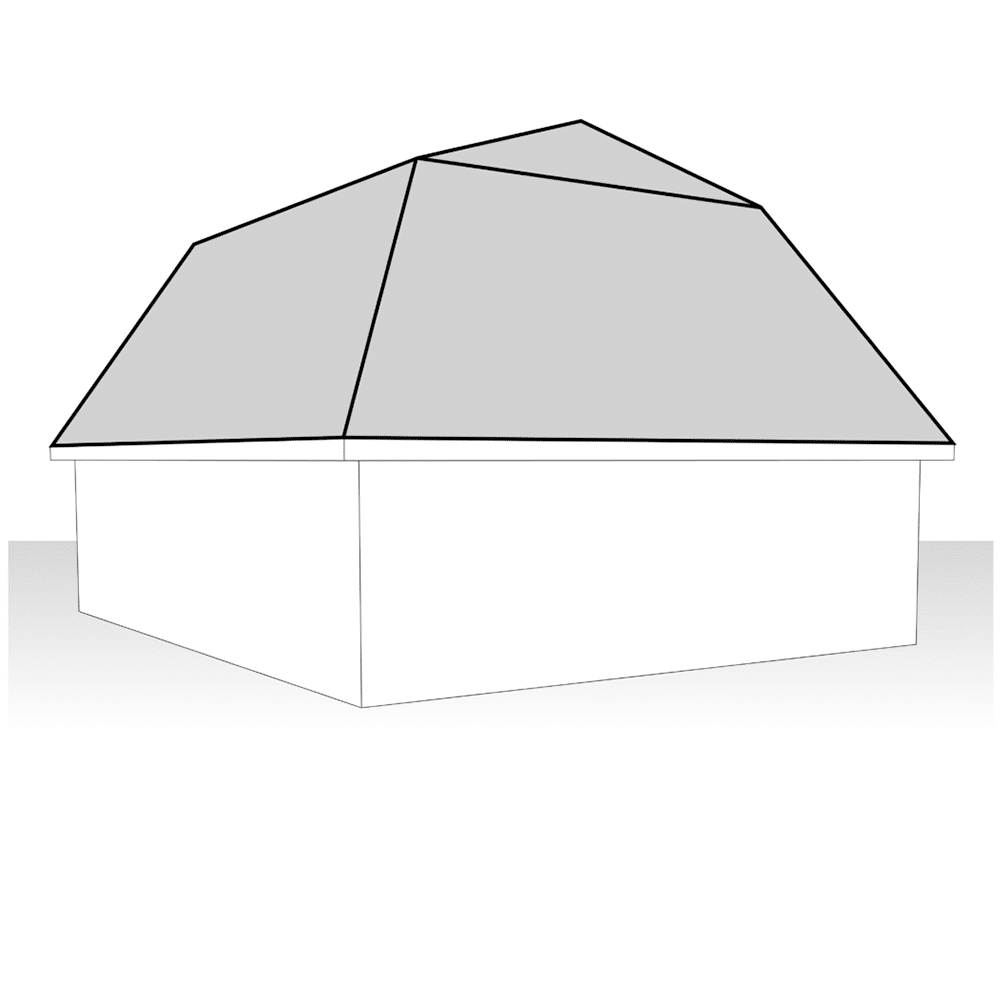
Mansard Roof

Mansard Roof
However, the upper slope does not create great drainage, so you’re more likely to have standing water and leaks. It’s not great for areas with lots of snowfall. This roof is also more complex to install, so you’ll typically have higher costs. A mansard roof is great if you want the option to expand, either for you or for the next owner. This increases the value of your home. It also allows for extra living space. The roofing materials are also very visible, so it creates a great opportunity to create a beautiful space. However, the upper slope does not create great drainage, so you’re more likely to have standing water and leaks. It’s not great for areas with lots of snowfall. This roof is also more complex to install, so you’ll typically have higher costs.

Shed Roof

Shed Roof
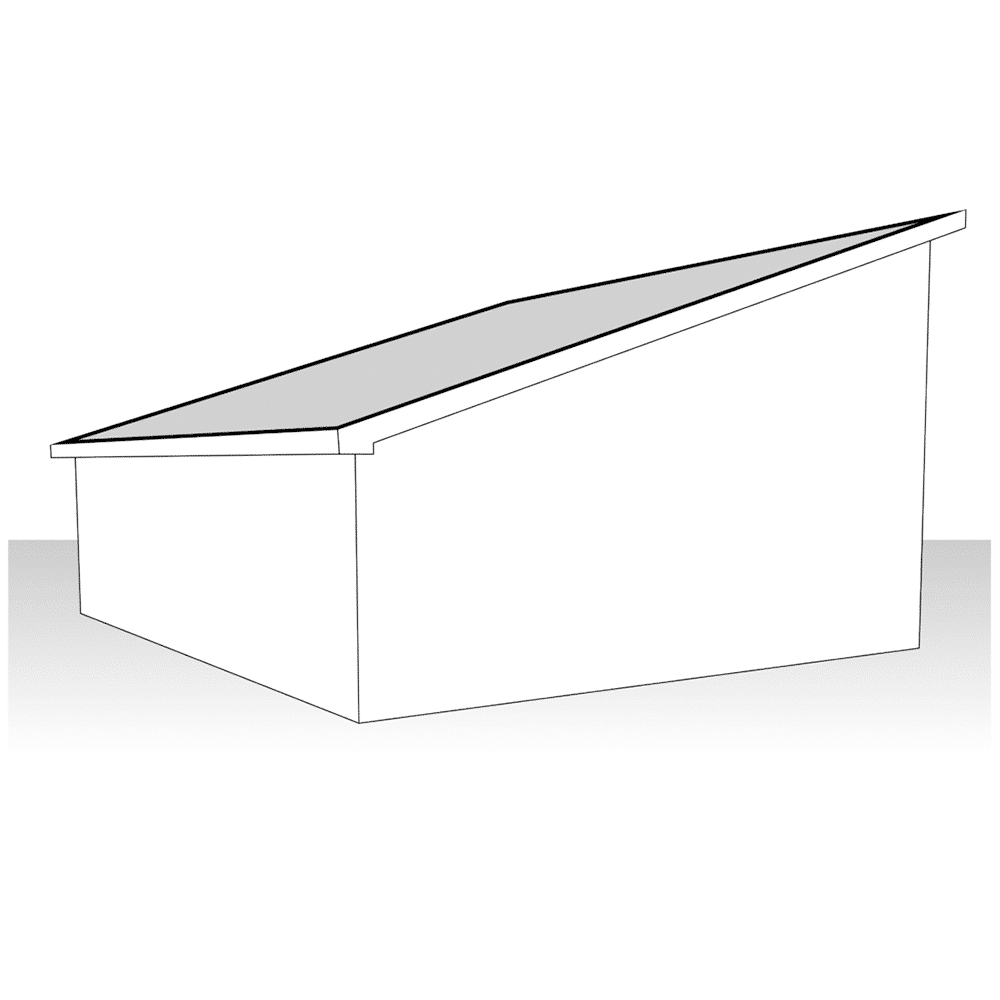
A shed roof is what you would see on, well, a shed! It’s basically half of a traditional gable with only one slope. You’ll also see these on ultra modern buildings, cabins, and buildings with large picture windows across the front.

Shed roofs are great if you’re looking for a quick, cost-effective install. It works with every roofing material and has good drainage. However, it’s not always ideal for larger structures, and will require a strong gutter since all the water will drain on one side.

Flat Roof

Flat Roof
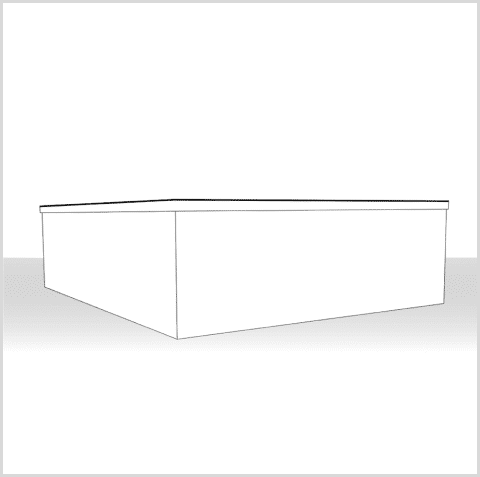
A flat roof is what is often used for commercial buildings or strip malls. Despite the name, flat roofs are not actually flat; they simply have a very low slope. This is because there needs to be some incline for drainage. If you’re planning to add on to your home or want a very open floor plan, a flat roof is the way to go. A flat roof also gives you the opportunity for a roof deck, solar panels, or a roof garden.

The negative side to flat roofs is that they leak easily due to a tendency for water to pool. They must be sealed properly to avoid this issue. In general, flat roofs need more regular maintenance to keep the roof from leaking.

Shed Roof

Shed Roof
A shed roof is what you would see on, well, a shed! It’s basically half of a traditional gable with only one slope. You’ll also see these on ultra modern buildings, cabins, and buildings with large picture windows across the front.

Shed roofs are great if you’re looking for a quick, cost-effective install. It works with every roofing material and has good drainage. However, it’s not always ideal for larger structures, and will require a strong gutter since all the water will drain on one side.

Flat Roof

Flat Roof
A flat roof is what is often used for commercial buildings or strip malls. Despite the name, flat roofs are not actually flat; they simply have a very low slope. This is because there needs to be some incline for drainage. If you’re planning to add on to your home or want a very open floor plan, a flat roof is the way to go. A flat roof also gives you the opportunity for a roof deck, solar panels, or a roof garden.

The negative side to flat roofs is that they leak easily due to a tendency for water to pool. They must be sealed properly to avoid this issue. In general, flat roofs need more regular maintenance to keep the roof from leaking.

ROOF TYPES & MATERIALS

Asphalt Roof

Asphalt Roof

Clay Tile Roof

Clay Tile Roof

Slate Roof

Slate Roof

Cedar Shake Roof

Cedar Shake Roof

Synthetic (Rubber) Slate Roof

Synthetic (Rubber) Slate Roof

Copper Roof

Copper Roof

Standing Seam Metal Roof

Standing Seam Metal Roof

Stone-Coated Steel Roof

Stone-Coated Steel Roof

FREQUENTLY ASKED QUESTIONS

The most common roof is one made of asphalt shingles. Gable and hip roofs are the most common style.

The cheapest roof styles are gabled and shed roofs.

A curved roof can be a mansard roof or simply an actually curved roof. Curved roofs follow the style of a shed roof but are curved instead of at an angle.

A triangular roof is called a gabled roof.

A roof over a window is called a dormer.

HASSLE-FREE RESTORATION

EXPERT GUIDANCE. LASTING REPAIRS.

From minor fixes to major renovations, we help you understand the best options for your home and deliver solutions built to last.
© 2025 Storm Guard Franchise Systems LLC. All Rights Reserved.

Unless otherwise noted, each use of "Storm Guard," “us,” “we,” or “our” throughout Stormguardrc.com collectively refers to both the Storm Guard brand and the Storm Guard Franchise System, which is made up almost exclusively of independently owned and operated franchise locations.